
News analysis
FIFA is becoming one of the governance disasters of 2026
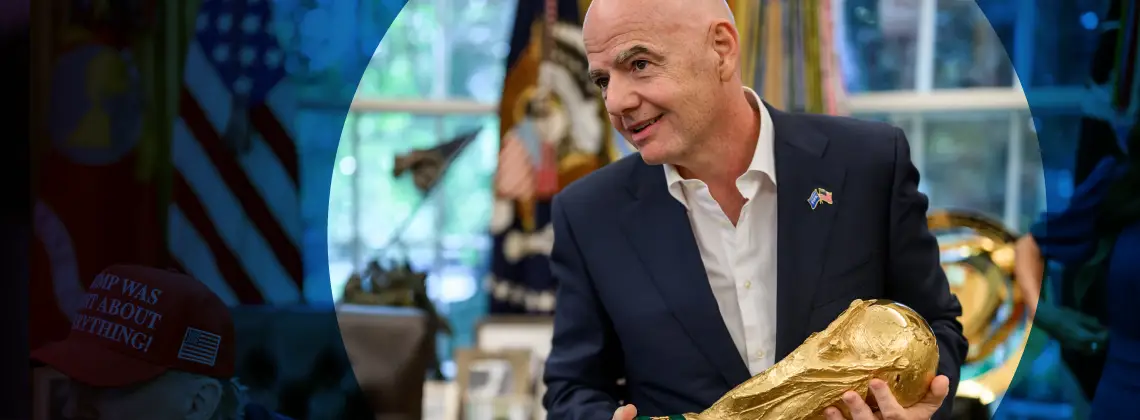
FIFA is becoming one of the governance disasters of 2026.
We expect these kinds of stories to surface in big corporate names; rarely do we see it in non-profits, especially non-profits entrusted with running one of the world’s most-loved pastimes. But here we are, fresh from “the best World Cup ever”, and football’s governing body is in the middle of a governance nightmare.
Why? Gianni Infantino. His actions – from outlandish personal statements to extensive behind-the-scenes decision-making – have provoked a crisis of confidence in his leadership, added even further fuel to accusations of corruption, and cast serious doubt over his ability to continue as FIFA President for a fourth term, beginning later this year. Up till a few months ago, that fourth term was a near-certainty.
How did we get here:
Despite a successful World Cup in North America across June and July, FIFA is in the weeds, unable to escape negative media spotlight. The road to this point had the following key milestones:
- A seriously botched attempt to privatise elements of the World Cup, which led to rejection and even open rebellion among FIFA’s continental affiliates, mostly directed at Infantino himself.
- Shocking personal actions by Infantino, widely considered to have added fuel to fire:
- Telling critics of astronomical ticket prices and refused visas for fans (and even one referee) to “chill… relax.”
- Offering no explanation when it emerged that direct intervention from US President Donald Trump may have been a factor in the rescinding of a red card punishment for star US player Falorin Balogun.
- Accusing anyone who criticised elements of the 2026 World Cup of “spreading hate and false rumours”.
We only need the above to recognise that FIFA is being led through a horrible governance culture. And, while he may not have started that culture, it’s easy to see that Infantino is doing nothing to help.
The unfolding governance disaster
For a body like FIFA, the post-World Cup period is supposed to be a time to take a break and dish out pats on the back for a job well done. Instead, we’re seeing things go from bad to worse.
Infantino is facing open rebellion. Multiple national associations and continental affiliates have declared a complete loss of confidence in his performance as President, and his ability to serve a fourth term.
One football association has accused him of blackmail. Multiple senior FIFA officials have claimed they didn’t know about Infantino’s plans until they read about them in news reports. Meanwhile, UEFA, home to multiple World Cup winners and the most valuable football leagues in the world, have vowed not to support him any further and even threatened legal action.
Where has this all gone wrong?
One word: transparency.
The common theme running through much of the backlash against Infantino is that he has not been transparent about core decisions, especially around the plans to turn the World Cup into a quasi-private venture.
Leaders not being transparent is quite a common governance pitfall. Still, in FIFA’s case, the decisions are far-reaching, and the stakeholder pool extends to every football player and fan worldwide. You simply cannot forsake transparency when it comes to decisions that impact billions.
Let’s put aside the controversial nature of the privatisation idea for a moment and just look at the method of introducing it: It came with little warning, there was no open consultation, multiple senior leaders didn’t know about it, and football associations were given extremely tight deadlines to accept the proposal – a deadline that was tied to a funding promise.
Most of the above screams of a lack of proper due diligence, which is not acceptable corporate governance conduct. But then we come to the idea of introducing deadlines tied to funding promises: that goes beyond bad governance and straight into plain unethical.
If this proposal were handled correctly, it would have been eased in: announced as an idea worth exploring, discussed openly at multiple FIFA meetings, and only on the back of extensive consultation with member associations and continental affiliates. Realistically, an idea of that magnitude should take many months to play out in the proper conditions, years, if it had at least some backing.
We saw none of that here.
The verdict
Infantino has failed in some of the most basic but crucial areas of governance. He cannot communicate, and his attitude toward communication seems to be anchored in indifference.
In July 2026, The New Yorker reported in-depth on his leadership style, quoting a former FIFA source who said that he insisted on making even the small decisions that would ordinarily not require his involvement. “He decided everything for himself”, the source said.
Not only is it a red flag, but it’s an excellent insight into the kind of personality at the helm of global football. In recent months, that personality has manifested through several key decisions, more than enough anger even the most loyal of stakeholders. Whatever happens to Infantino now, his recent history is littered with critical governance mistakes. It takes years to win back trust based on that.
Insights on leadership
Want more insights like this? Sign up for our newsletter and receive weekly insights into the vibrant worlds of corporate governance and business leadership. Stay relevant. Keep informed.
About this author