News analysis
SpaceX is a breeding ground for risk
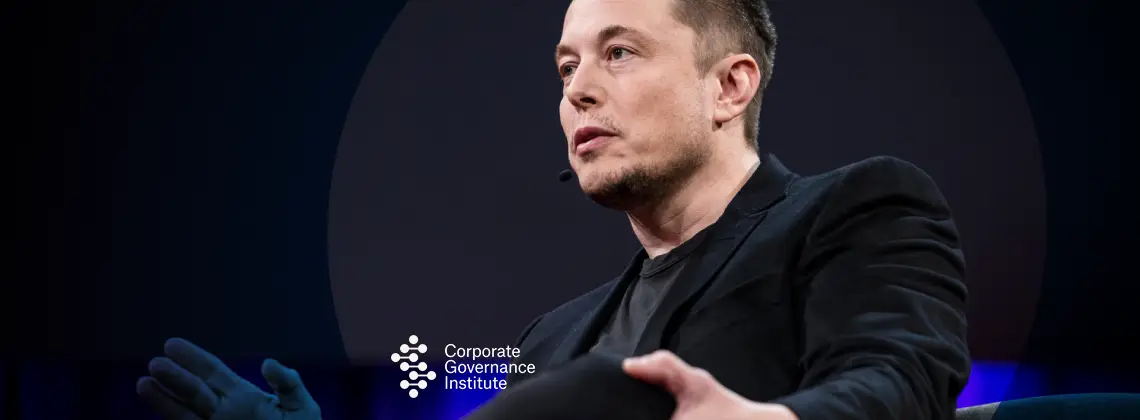
SpaceX is a breeding ground for risk. Beyond the hype around the company’s value and Elon Musk’s polarising nature, that risk is – and should remain – the core takeaway. It’s corporate governance 101.
The company – with a three-pronged focus on spaceflight, telecommunications, and artificial intelligence – had its IPO in June 2026, 24 years after the company was founded.
It was the largest IPO in world history and raised $86 billion. It also catapulted Musk to being the world’s first trillionaire.
Across the globe, Musk and his companies are polarising topics, and this latest chapter is no exception. His supporters praise his unique leadership capabilities and ability to deliver growth. His critics focus on his leadership flaws and his companies’ complete lack of a proper governance structure and accountability.
The bottom line, however, is that governance is the DNA of any business. If there are problems with that DNA, it’s an enormous risk, both short-term and long-term.
SpaceX is the latest of Musk’s companies to be put under the governance microscope, after Tesla and X (formerly known as Twitter). Many of the same patterns surface each time, given the colossal global influence SpaceX has, and will continue to enjoy, it’s crucial to address the company for what it is: a breeding ground for governance risk.
Why is SpaceX a breeding ground for governance risk?
Control
Musk’s control over the company is at a level unheard of in modern business. Shareholder structure is designed in a way that Musk has an unmatchable influence over who sits on the board and, crucially, cannot be fired as CEO without his own say-so.
It’s monarchical. Also, it completely removes any of the important checks and balances that ensure corporate stability. Governance is structured around firm oversight based on thorough analysis. None of this can exist in a company where the personal preferences of one man are the only factor in deciding the company’s future.
Accountability
Say the company did experience huge financial trouble, giving shareholders cause to launch legal action, SpaceX has cleverly positioned itself so that such action is practically impossible for most.
It’s domiciled in Texas (famed in North America for its looser rules around accountability), where any entity looking to sue would need to own as much as 3% of the company’s total value. For SpaceX, valued in the trillions, such rules would essentially filter out most dissent, no matter its merits.
The board
As with other companies Musk has run or acquired, he retains significant influence over who sits on the SpaceX board. Predictably, his picks have come under fire for being too close to Musk and thus not trustworthy when it comes to voicing shareholder concerns.
Boards are supposed to voice concern about anything and everything that doesn’t make sense. This is what good governance is all about.
In practice, one of the biggest enemies of such arrangements is strong-armed owners/founders who adopt a “my-way-or-the-highway” approach. Musk is certainly not the only leader in this category. Still, his reputation in this area, combined with the colossal valuation of SpaceX, means that any boardroom concern is automatically far-reaching. If Musk doesn’t want to discuss it, it stands a huge chance of being forgotten.
The commentary
SpaceX’s reputation is already rocky in the eyes of prominent governance commentators and other experts.
The company has been handed an abysmally low ESG rating by index provider MSCI. The Financial Times described Musk as “driving a cybertruck” through corporate governance norms. Bloomberg reported that SpaceX’s governance structure is “simply too risky” for any funds with specific governance mandates. Meanwhile, while the IPO seemed to get off to a good start, the company’s value has fallen back, putting Musk’s “trillionaire” status in jeopardy.
Musk almost always shrugs this off. He knows he has a large, loyal fanbase, he remains committed to his strong-armed leadership style, and try bringing him a criticism with the word “ESG” in it – you won’t get very far.
Why is SpaceX a breeding ground for governance risk?
This is where it gets more difficult, because we have to think ahead while also acknowledging the state of play: Elon Musk has found enormous growth and success with SpaceX, and the IPO was an astounding milestone in global business.
But we’re talking now about risk, not achievement. Risk exists in the best-performing companies as it does in the worst. The challenge is to keep it under control, and the fact that with Musk’s current approach to SpaceX’s governance, that risk is well beyond where it should be.
In reality, this doesn’t mean much to many, both inside and outside the company, who believe Musk will deliver on promises. They’re happy to take part, happy to invest. How it plays out for them in the long term remains to be seen.
In the meantime, we have a board with little power to question and shareholders with little power to criticise. It’s putting a lot of eggs in one basket. We’ll see how it plays out.
Insights on leadership
Want more insights like this? Sign up for our newsletter and receive weekly insights into the vibrant worlds of corporate governance and business leadership. Stay relevant. Keep informed.
About this author